
Greyhound Rescue in Australia: Why It Matters and How You Can Help
If you've ever met a greyhound, you already know the nickname makes sense. Long legs, a gentle curved back, and a habit of folding themselves into the smallest, most improbable shapes on the couch — it's easy to see why greyhound lovers affectionately call them noodle horses. But behind that goofy nickname is a breed with a history that makes rescue and adoption work more important than most people realise.
Four thousand years of grace
Greyhounds are among the oldest recognised dog breeds on earth. They appear in Egyptian tomb art alongside royalty, depicted as symbols of nobility and swift grace, and they are the only breed mentioned by name in most translations of the King James Bible. For most of recorded history, to own a greyhound was a mark of status.
What people who live with them notice is something quieter: an extraordinary capacity to trust again. Many arrive into their first real home after years in a racing kennel, and settle into gentleness with a speed that surprises everyone. That journey — from hardship to softness — is what makes the greyhound such a powerful symbol of resilience, and it's why the breed means so much to the people who adopt them.
Why greyhound rescue advocacy matters
Greyhounds are bred for speed, which for decades has meant breeding them for the racing industry. When a greyhound is no longer competitive, too slow, injured, or simply surplus to a breeding program, their future depends almost entirely on whether a rescue group is there to step in.
Rescue and rehoming organisations exist to:
- Rescue greyhounds coming out of racing kennels, shelters or private surrender, before they fall through the cracks
- Rehabilitate dogs needing veterinary care, desexing, dental work or treatment for racing injuries
- Rehome each greyhound into a foster placement and, eventually, a forever home
- Educate the public on what greyhounds are actually like as pets — because the biggest myth is that they're high energy. In reality they're famously 45km/h couch potatoes, happiest asleep for most of the day
- Advocate for the breed more broadly, pushing for better standards of care and transparency across the industry
Without dedicated rescue organisations, thousands of greyhounds each year would have no path to a family home. Advocacy isn't only about finding one dog a bed to sleep in — it's about changing the story for an entire breed, one adoption at a time.
The charities doing the work: Amazing Greys and Greyt Greys Rescue
Two of the organisations doing this work every day in Victoria are Amazing Greys and Greyt Greys Rescue.
Amazing Greys is a volunteer-run, Melbourne-based rescue group founded in 2011. The team rescues, rehabilitates and rehomes ex-racing greyhounds and greyhound crossbreeds, taking in dogs from racing kennels, shelters and private surrender. Every greyhound in their care lives with a foster family while receiving any veterinary treatment they need — from desexing and vaccinations to surgery for muscular injuries or broken bones — until the right home is found.
Greyt Greys Rescue has been doing similar work since 2017. A registered not-for-profit based in Victoria, it saves, rehabilitates and rehomes ex-racing greyhounds while advocating for their welfare. Like Amazing Greys, every dog is placed with a foster family and matched carefully with adopters, with ongoing training resources and support long after adoption day.
Both groups rely almost entirely on donations, volunteers and foster carers to keep running.
How to help, whether or not you adopt
Adoption is the obvious answer, and if you have the room in your life it's the best one. But it isn't the only way in:
- Foster. Rescue groups are almost always limited by foster placements rather than by dogs needing homes. A few weeks of couch space genuinely moves the queue.
- Donate directly. Vet bills are the single largest cost, and they're unpredictable.
- Volunteer. Transport runs, meet-and-greets, market stalls and admin all take hands.
- Talk about them. The couch-potato myth-busting matters. Most people who'd love living with a greyhound have no idea the breed would suit them.
Why we made the Greyhound Rescue Necklace
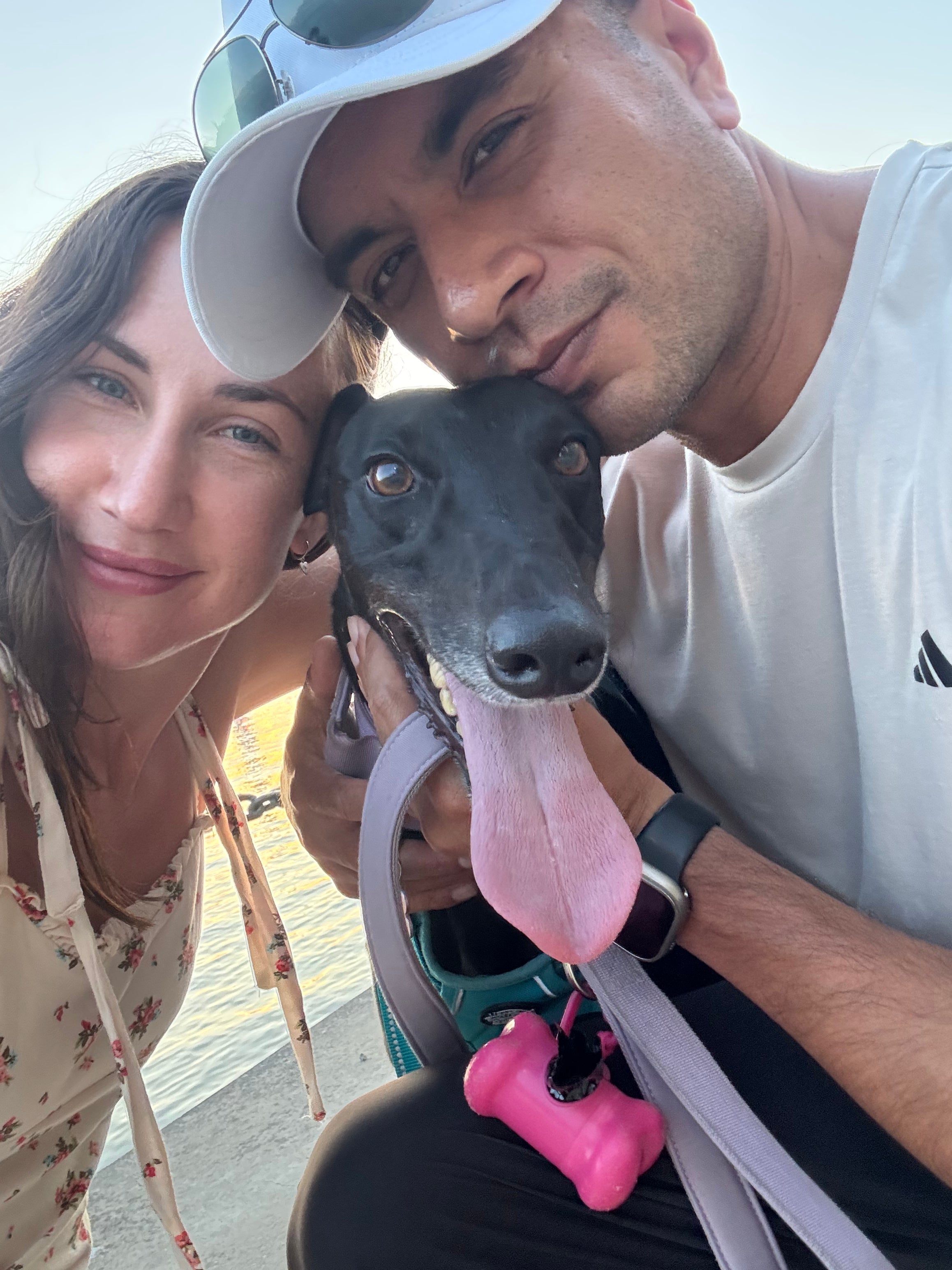
This piece is personal. Maraux founder Katy Marks is a greyhound mum to Sophie — affectionately known as Shnootz, the noodle dog. Every detail was designed with a real understanding of the breed: the elegance, the softness, the slightly ridiculous roaching upside down with all four legs in the air.
$10 from every Greyhound Rescue Necklace sold through maraux.com.au is donated to Greyt Greys and Amazing Greys, helping fund the everyday costs of rescue work: vet bills, desexing, foster support, and the countless small expenses involved in getting one more dog off a track and onto a couch.
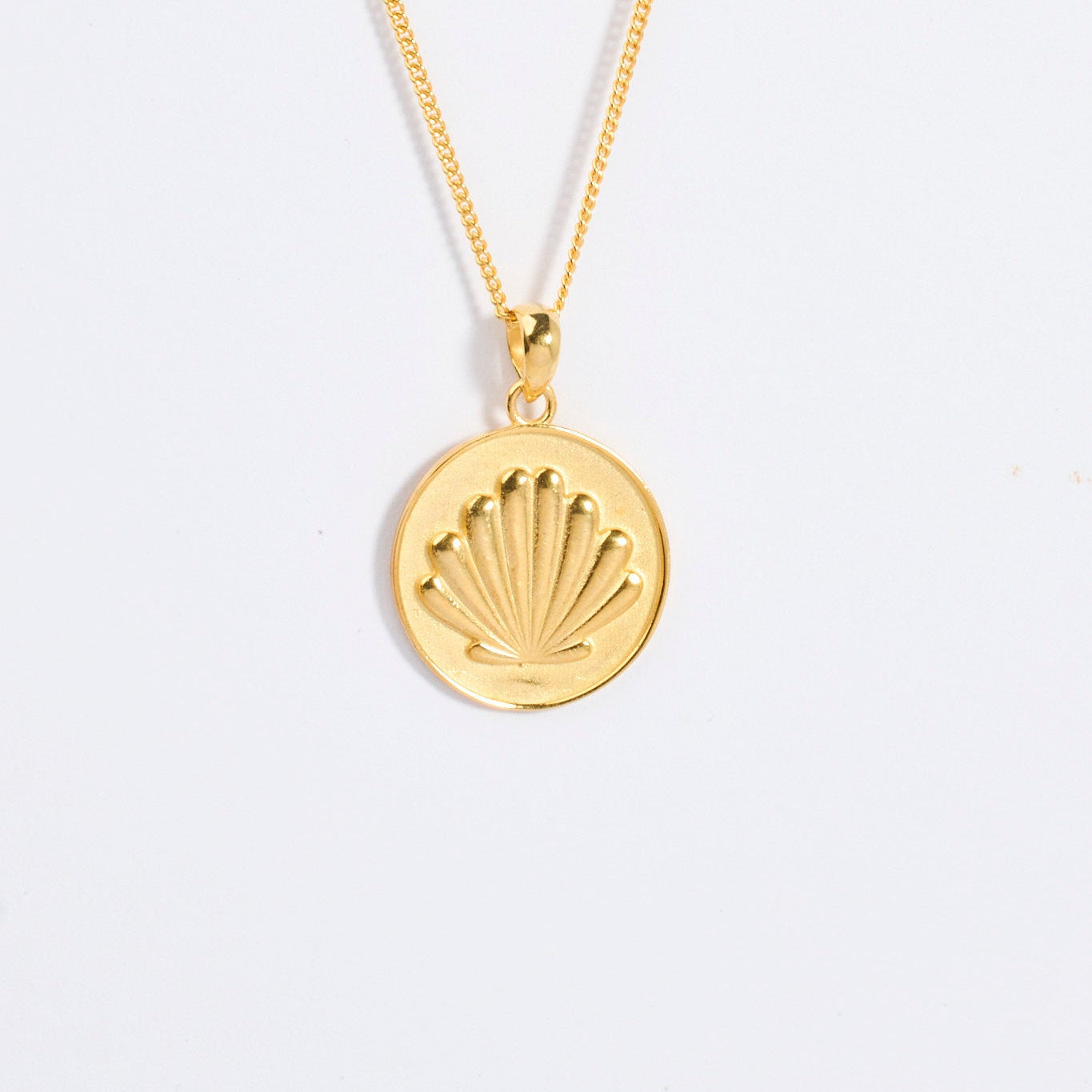
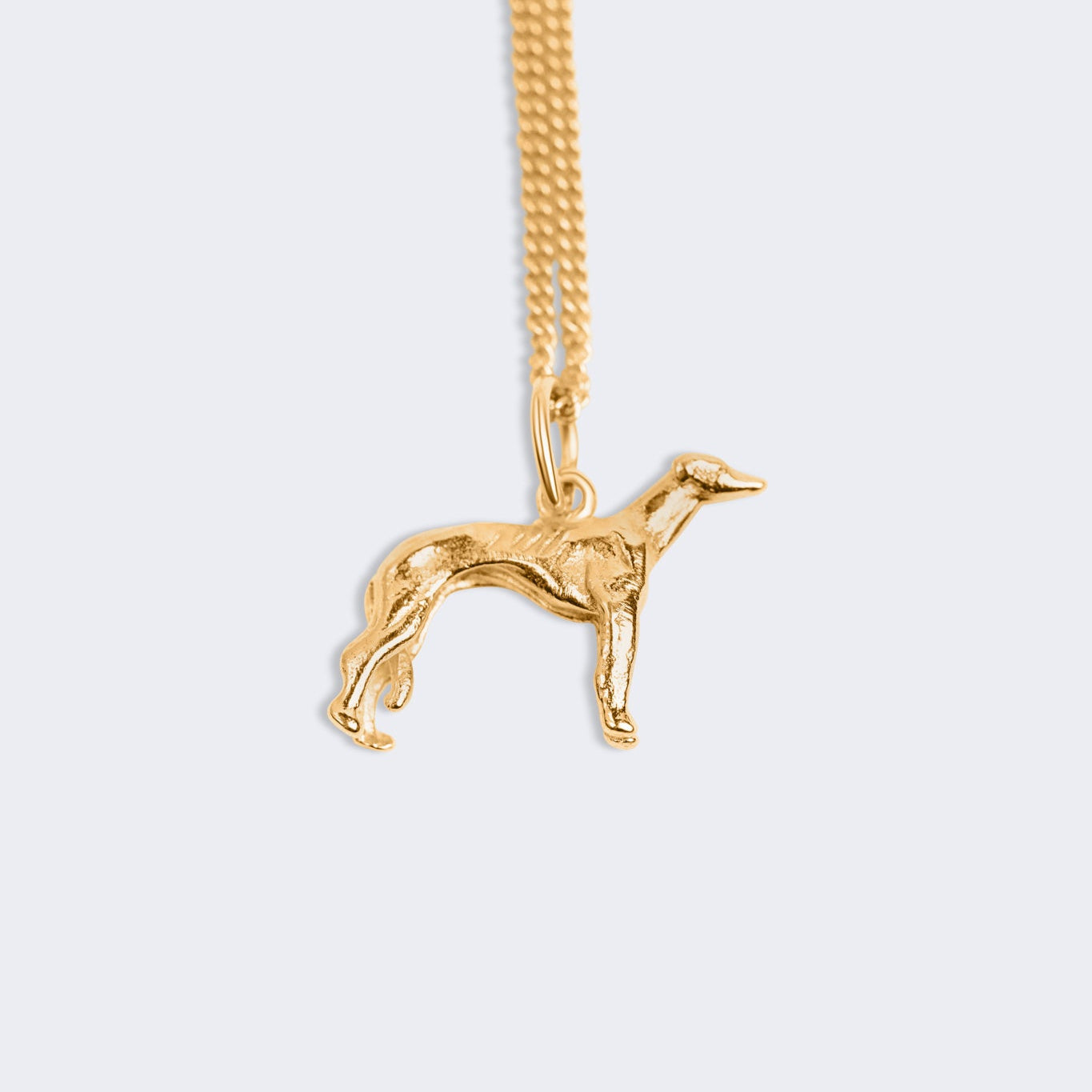
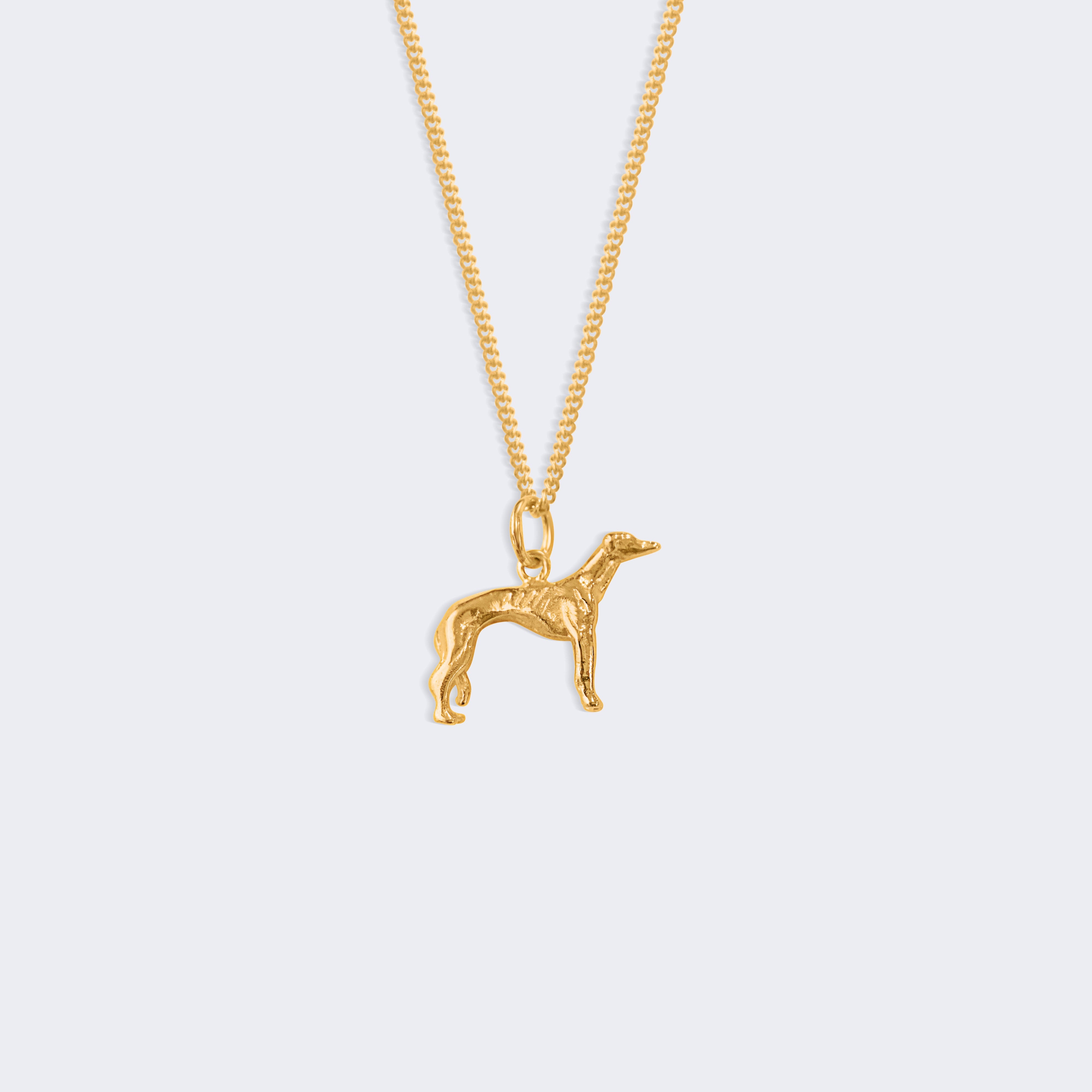
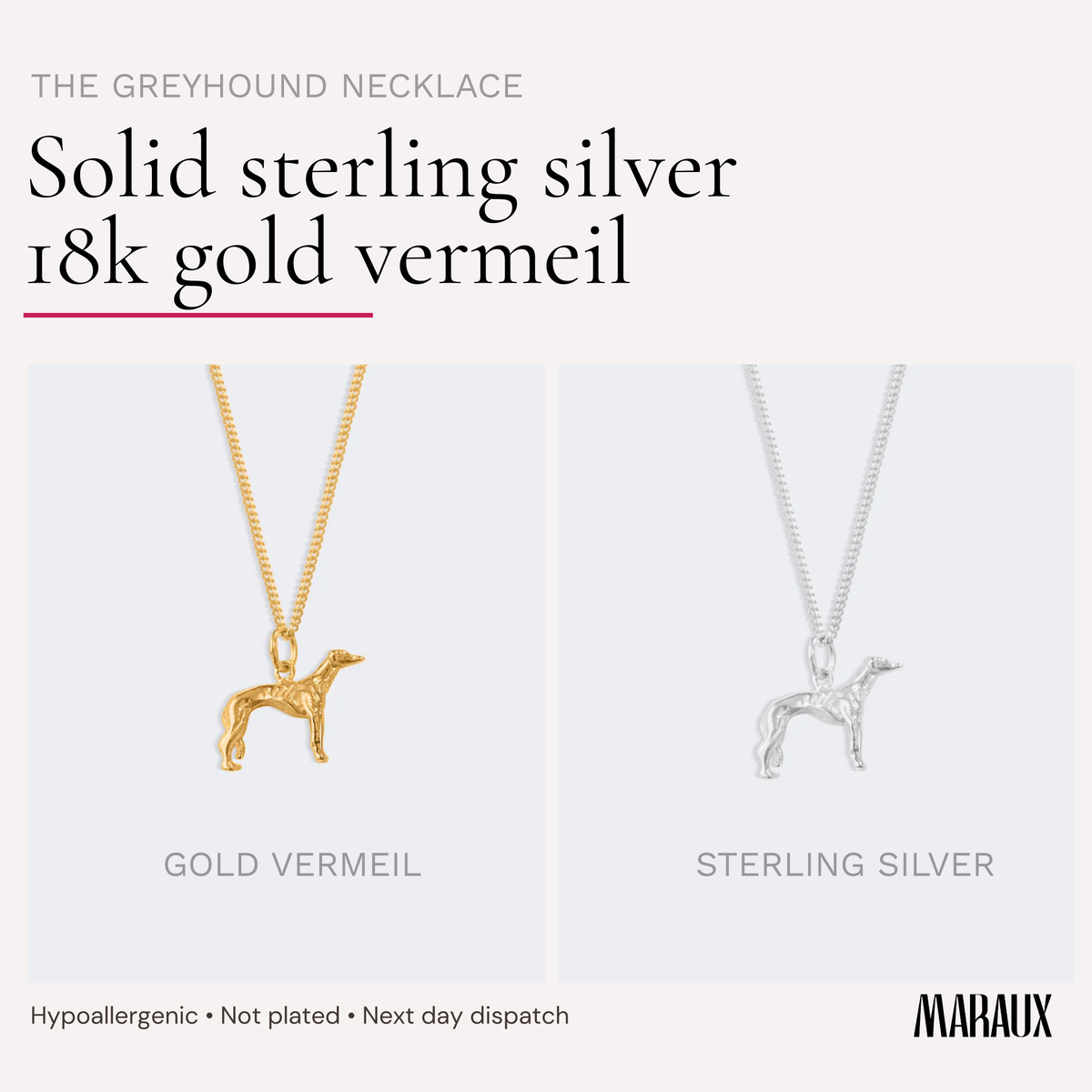
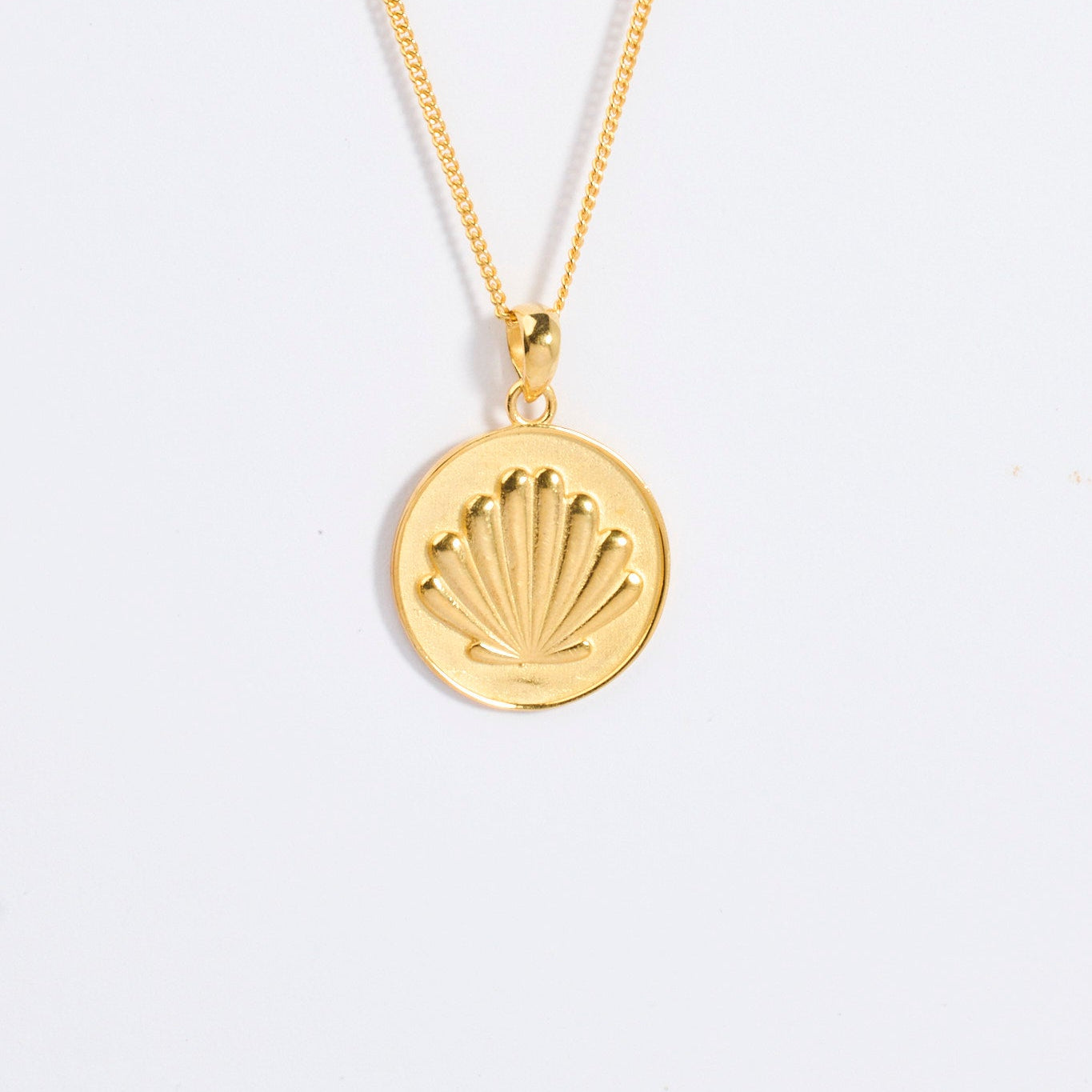
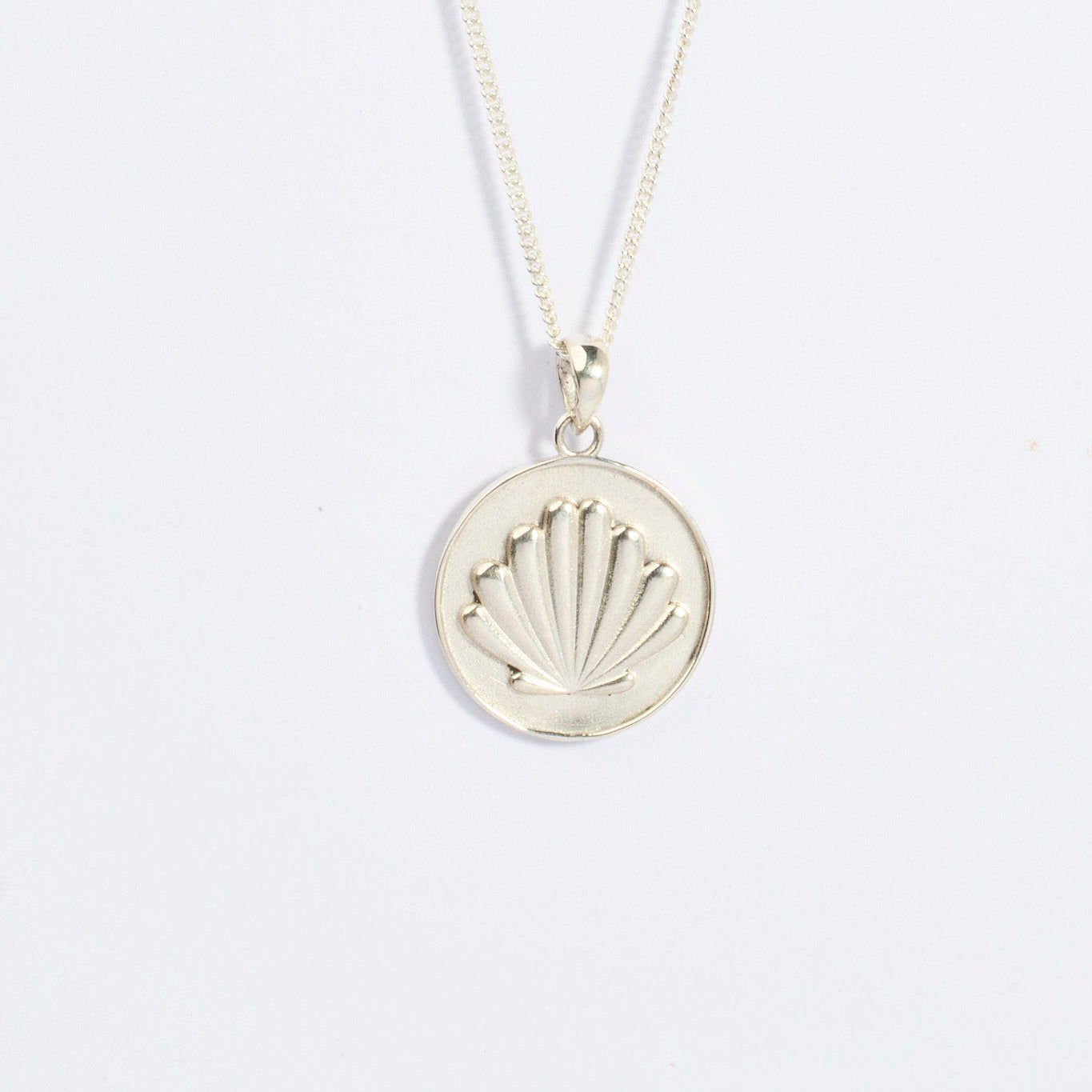
The necklace is solid sterling silver, available in silver or 18k gold vermeil, with a dimensional greyhound silhouette pendant. Nickel-free, hypoallergenic and water-resistant, available as a pendant on its own or with our 45cm curb chain.
It tends to find its way to greyhound adopters and foster carers, to people marking an adoption anniversary, and to those whose hound has crossed the rainbow bridge. It's also become a quiet marker of the greyhound-loving community — what we've come to call the Snoot Society.
Frequently asked questions
Why do greyhounds need rescuing?
Most rescue greyhounds come from the racing industry, where dogs that are no longer competitive, injured, or surplus to breeding needs are at risk without intervention from rescue groups.
Which charities support greyhound rescue in Victoria?
Amazing Greys and Greyt Greys Rescue are both volunteer-run organisations dedicated to rescuing, rehabilitating and rehoming ex-racing greyhounds in Victoria.
Are greyhounds good pets?
Yes. Despite the racing background, greyhounds are gentle, low-energy companions who sleep most of the day. They're often well suited to apartments and to first-time dog owners, though most need to be kept on lead in unfenced areas.
Do greyhounds get along with other dogs and cats?
Many do, but it varies by individual. Rescue groups assess each dog and will tell you honestly whether a particular greyhound is cat-friendly or suited to a multi-dog household.
How does the necklace support greyhound rescue?
$10 from every Greyhound Rescue Necklace sold through our website is donated to Greyt Greys and Amazing Greys. The donation applies to direct sales through maraux.com.au.
Every noodle horse deserves a happy ending
Greyhound rescue advocacy is about more than rehoming individual dogs. It's about shifting the story for a breed that has too often been treated as disposable once the racing stops. Groups like Amazing Greys and Greyt Greys Rescue are proving, one adoption at a time, that every greyhound deserves a soft bed, a patient family and a long, quiet retirement.
Shop the Greyhound Rescue Necklace, in sterling silver and 18k gold vermeil.

Leave a comment
This site is protected by hCaptcha and the hCaptcha Privacy Policy and Terms of Service apply.